Sign Manifesto


Beyond Bias Promptathons
100+
24
6
2
About the Prompt-a-thons
In October 2025, we convened a series of in-person workshops across India in collaboration with the Goethe-Institut. Conducted in Bangalore, Delhi, and Pune, these workshops engaged participants in hands-on experimentation with our Beyond Bias AI image training tool, through which they fine-tuned models to express distinct aesthetic languages grounded in personal artistic practice and collective cultural imagination.
The workshops were very well-received and participant feedback emphasised the value of working with a tool that enabled greater control over visual representation and authorship. The workshops also functioned as participatory sites of knowledge production, foregrounding questions of authorship, representation, and technological mediation. Participants collectively highlighted concerns around cultural appropriation and AI model misuse, and contributed to the expansion of an open manifesto that reflects community-led approaches to AI development.
Panel Discussions
The prompt-a-thons at each venue was followed by a public panel discussion in the evenings.
Highlights discussed by the panelists:
- How can we build accessible, inclusive AI tools that serve cultural creators - not just Big Tech or elites?
- How does AI interact with traditional cultural forms such as craft, folk art, iconography, and sacred imagery? How have bias, misappropriation, or misrepresentation played out in these areas?
- How do gender, gender identity, sexuality, caste, and race intersect with AI bias? In what ways can AI tools perpetuate stereotypes, misgendering, invisibility, or over-representation.
About the Speakers
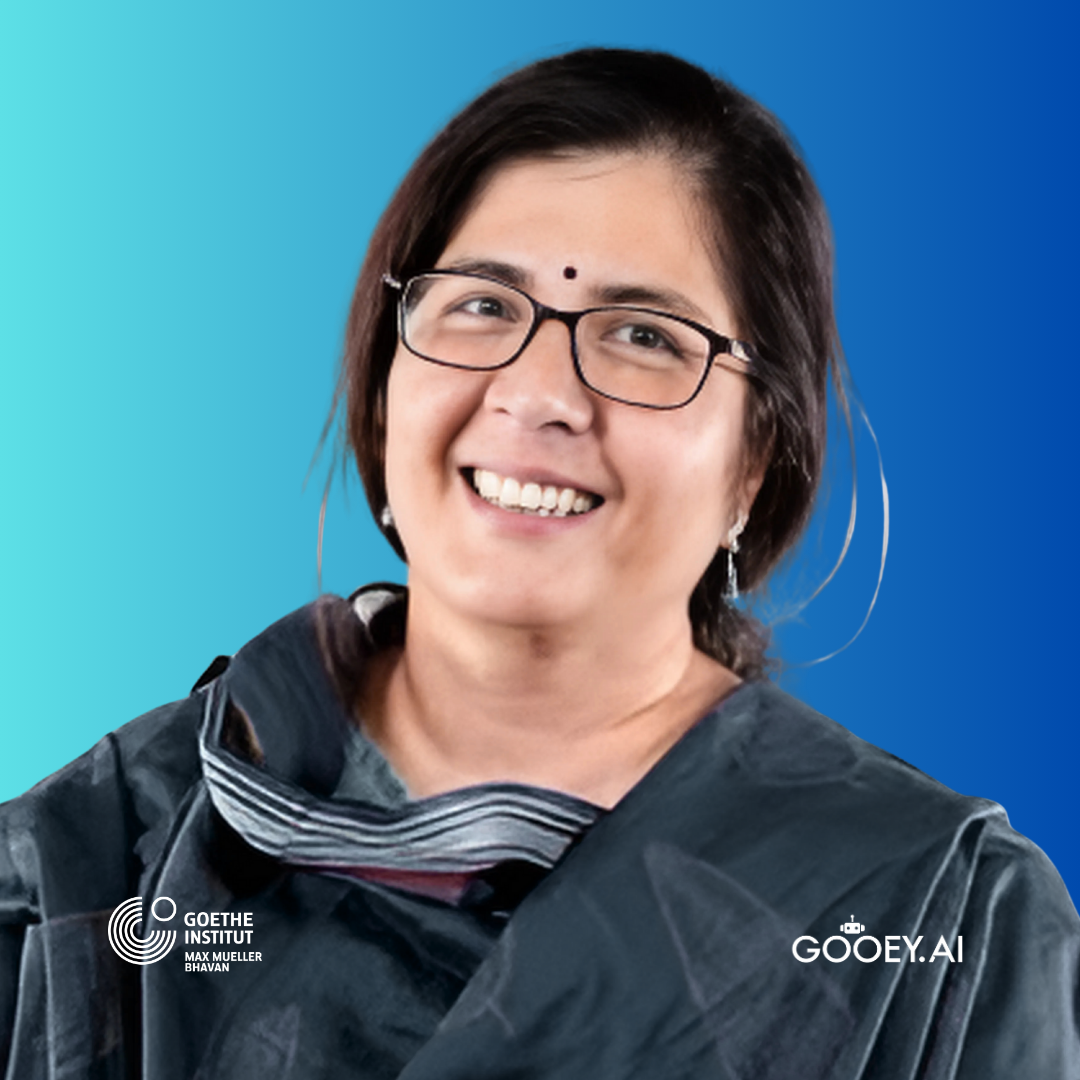
Lorem ipsum dolor sit amet, consectetur adipiscing elit. Suspendisse varius enim in eros elementum tristique. Duis cursus, mi quis viverra ornare, eros dolor interdum nulla, ut commodo diam libero vitae erat. Aenean faucibus nibh et justo cursus id rutrum lorem imperdiet. Nunc ut sem vitae risus tristique posuere.
Working on AI, NLP, Speech, and Technology for Empowerment. She has been focusing on enhancing human-computer interactions through language technologies for more than two decades. Her research also explores the intersection of gender and technology. She was featured on the inaugural TIME100 AI list in 2023 for her ongoing efforts to break down language barriers and foster inclusivity in the AI sphere.
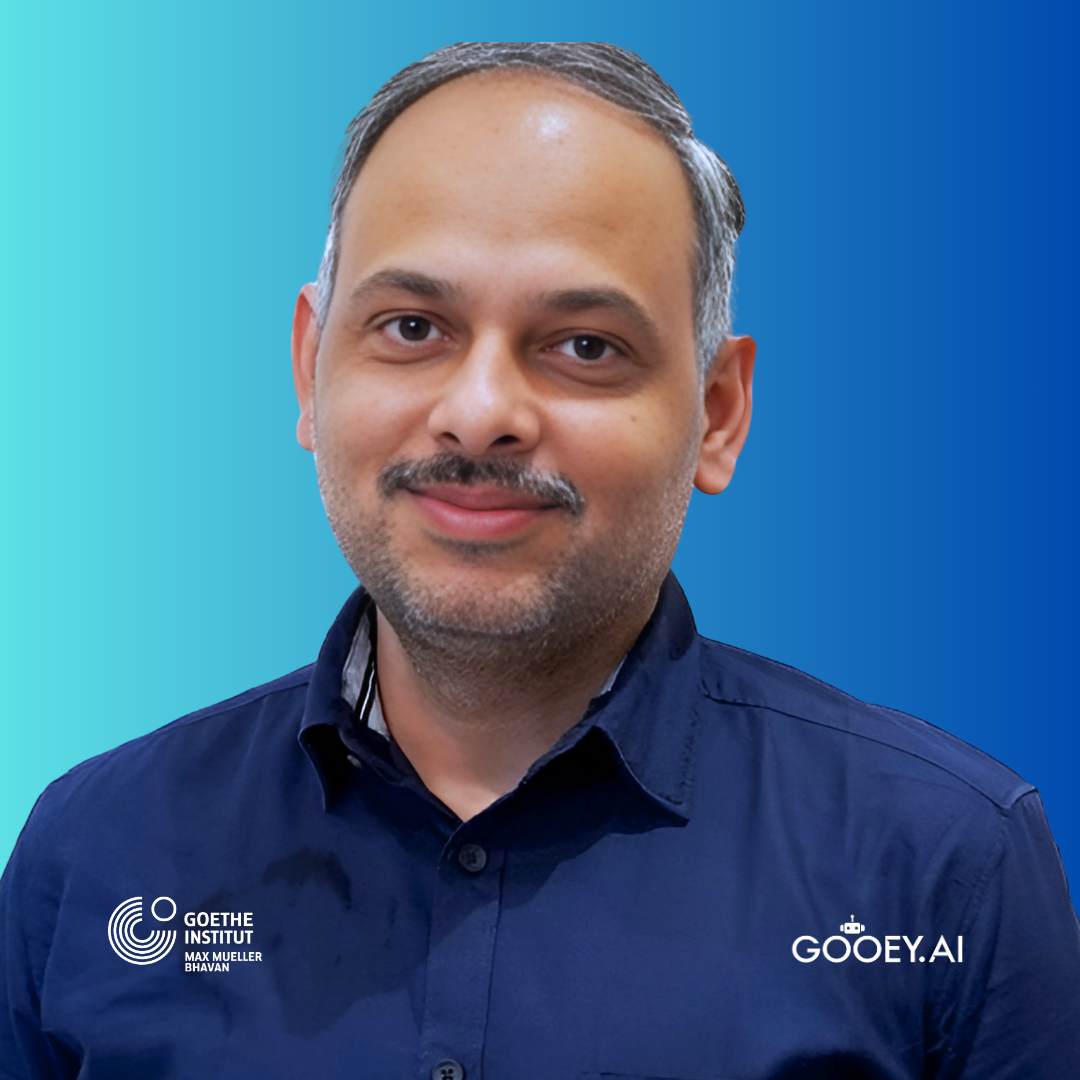
Lorem ipsum dolor sit amet, consectetur adipiscing elit. Suspendisse varius enim in eros elementum tristique. Duis cursus, mi quis viverra ornare, eros dolor interdum nulla, ut commodo diam libero vitae erat. Aenean faucibus nibh et justo cursus id rutrum lorem imperdiet. Nunc ut sem vitae risus tristique posuere.
He has over two decades of experience in founding and scaling innovations and institutions; bridging deep-tech research, societal impact and business; and shaping national-level policy and institutional mechanisms. He is a double winner of the Global Grand Challenge for Catalyzing Equitable AI by BMGF. He is also a founding leader of Wadhwani AI and has founded national initiatives in data (for AI and modelling) in health, pandemic prevention, and languages.
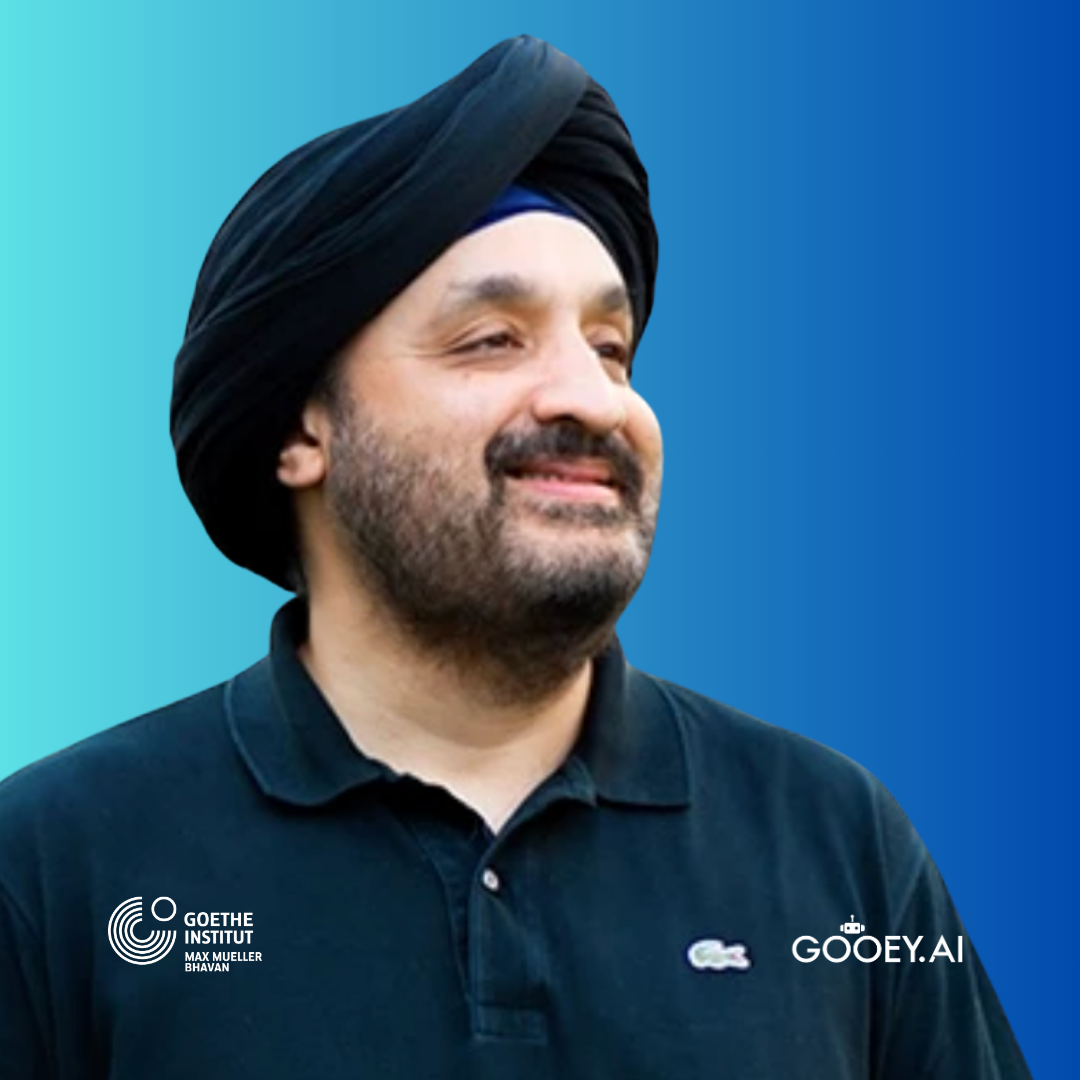
Lorem ipsum dolor sit amet, consectetur adipiscing elit. Suspendisse varius enim in eros elementum tristique. Duis cursus, mi quis viverra ornare, eros dolor interdum nulla, ut commodo diam libero vitae erat. Aenean faucibus nibh et justo cursus id rutrum lorem imperdiet. Nunc ut sem vitae risus tristique posuere.
Advancing AI literacy in organisations, and Founder of Tech Whisperer Ltd., advising on AI, generative AI, the future of work, and digital transformation. A global keynote speaker and educator, he has 25+ years of leadership with Mahindra Group, Microsoft, Tata, and as part of the founding team at Baazee (later eBay India). Author of The Tech Whisperer and Winning with AI, he writes for leading media and teaches at Ashoka University, Singularity University, and Harvard Business Publishing. He holds a Master’s in AI, Ethics, and Society from Cambridge University.
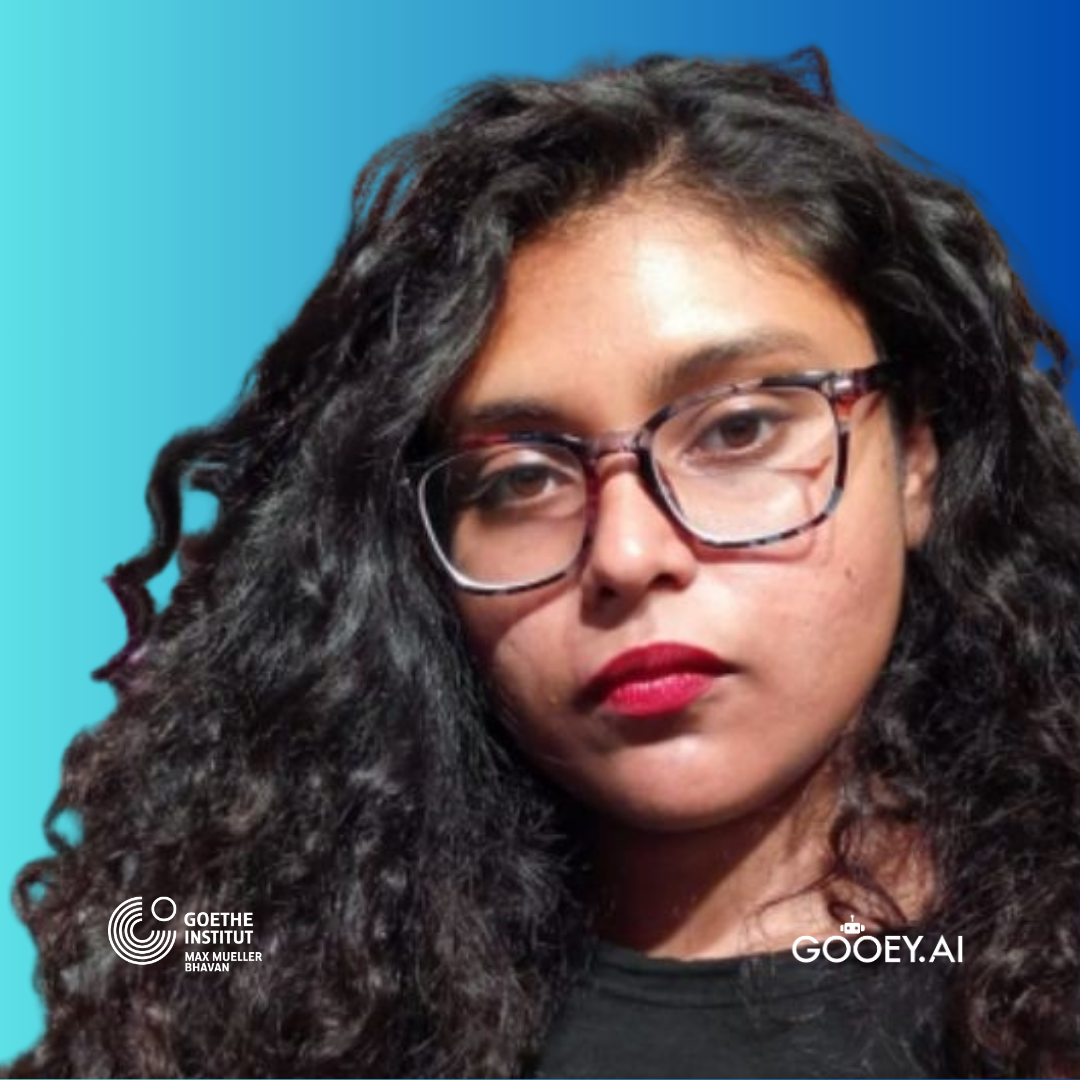
Lorem ipsum dolor sit amet, consectetur adipiscing elit. Suspendisse varius enim in eros elementum tristique. Duis cursus, mi quis viverra ornare, eros dolor interdum nulla, ut commodo diam libero vitae erat. Aenean faucibus nibh et justo cursus id rutrum lorem imperdiet. Nunc ut sem vitae risus tristique posuere.
With a strong interest in interaction, participation, and aesthetic education in cultural spaces. She holds a Master’s degree in International Media Cultural Work. Gauri joined Khoj as a Fellow in 2021, and over the past four years has worked with the curatorial and media teams.
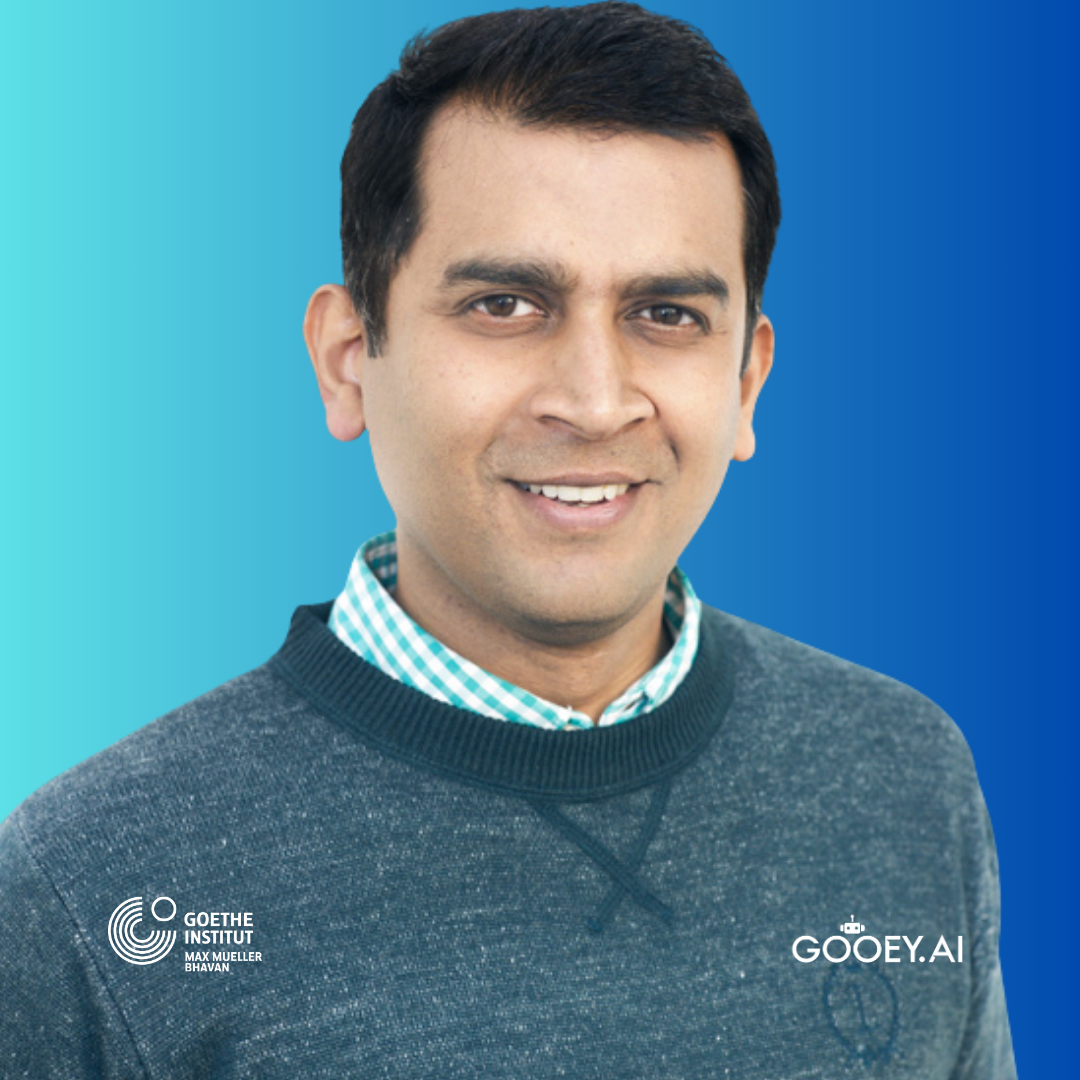
Lorem ipsum dolor sit amet, consectetur adipiscing elit. Suspendisse varius enim in eros elementum tristique. Duis cursus, mi quis viverra ornare, eros dolor interdum nulla, ut commodo diam libero vitae erat. Aenean faucibus nibh et justo cursus id rutrum lorem imperdiet. Nunc ut sem vitae risus tristique posuere.
Leads the studio in new business, strategy and project management. Ayush is a strong advocate for transformative roles for design within public policy, international development, social enterprise and innovation, for which he was also granted the prestigious Yale World Fellowship in 2012. He is also an avid triathlete.
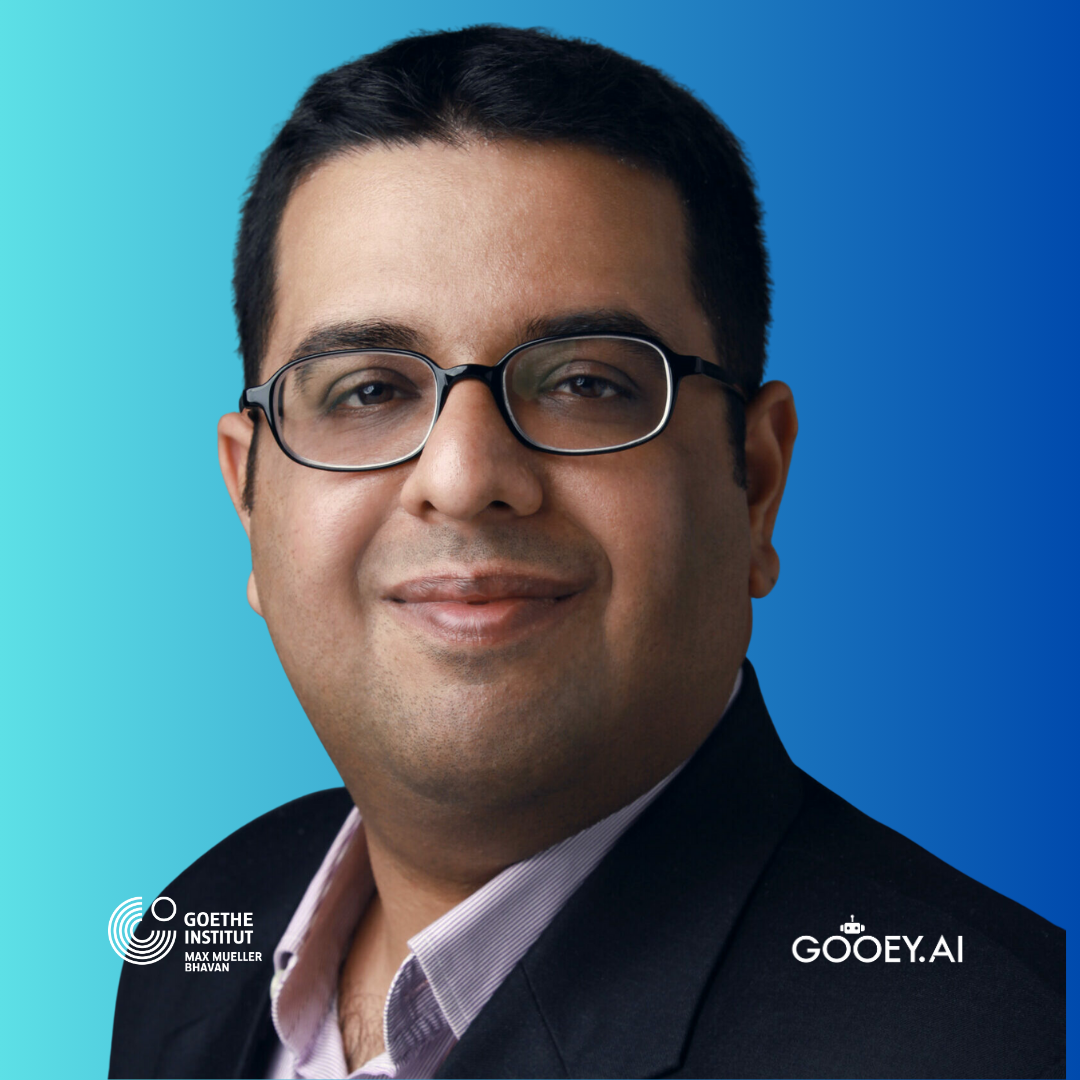
He is an Indian journalist, digital rights advocate, and the founder-editor of a leading publication on India’s digital/telecom policy. He played a pivotal role in the “Save the Internet” campaign to preserve net neutrality in India, and also co-founded the Internet Freedom FoundationHe is a TED Fellow, Asia21 Young Leader, and was named among the “Indians of Tomorrow” by India Today.
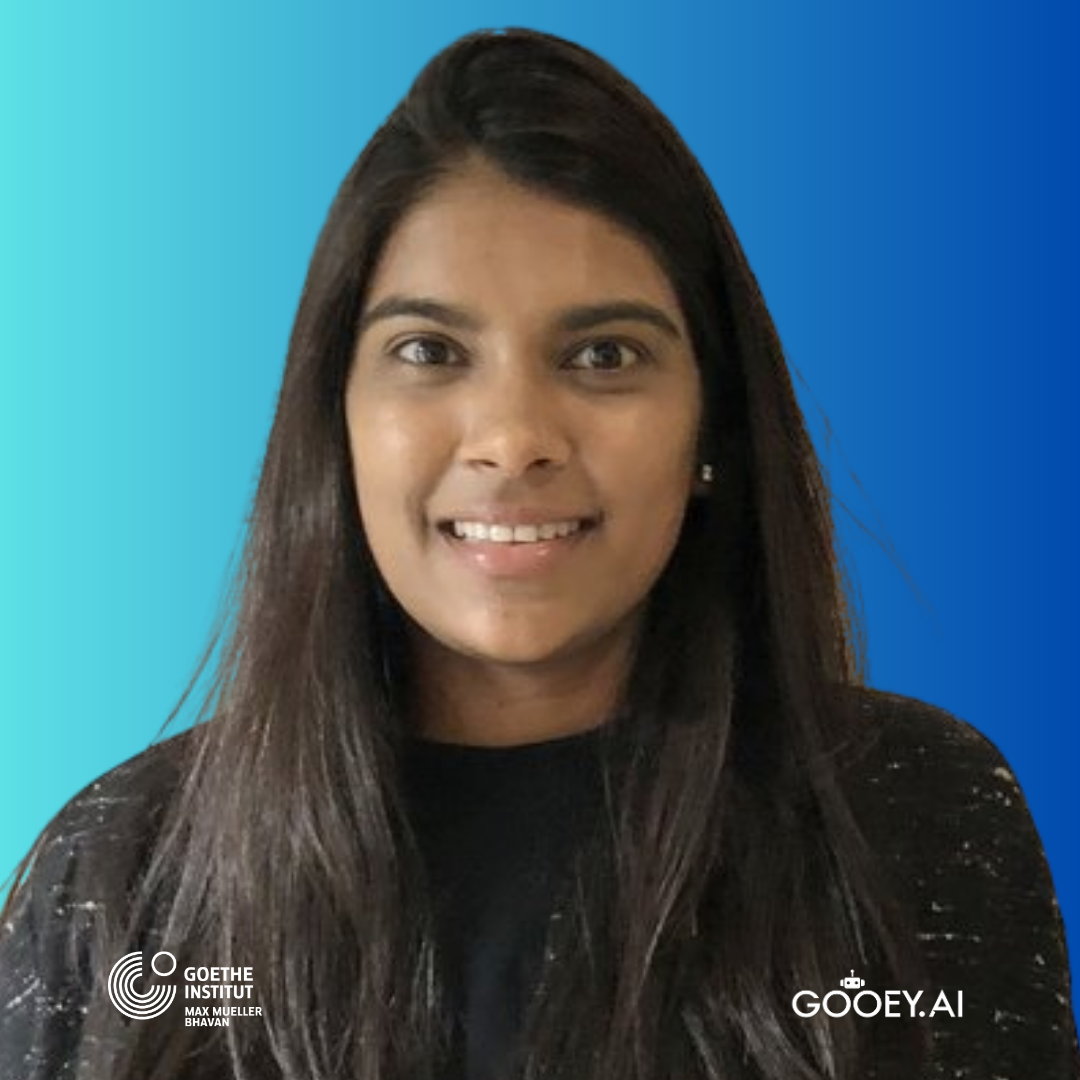
Lorem ipsum dolor sit amet, consectetur adipiscing elit. Suspendisse varius enim in eros elementum tristique. Duis cursus, mi quis viverra ornare, eros dolor interdum nulla, ut commodo diam libero vitae erat. Aenean faucibus nibh et justo cursus id rutrum lorem imperdiet. Nunc ut sem vitae risus tristique posuere.
She is the founder of Evolving Culture Foundation, a platform for Creativity and Culture in India. She supports deeply innovative and critical practices through mentorship, residencies and festivals. In the last 10 years, her foundation has grown to be a dynamic cultural hub in Asia.She has been recognized in the - Top 20 women running the Indian art scene by Art Gorgeous, an international media group.
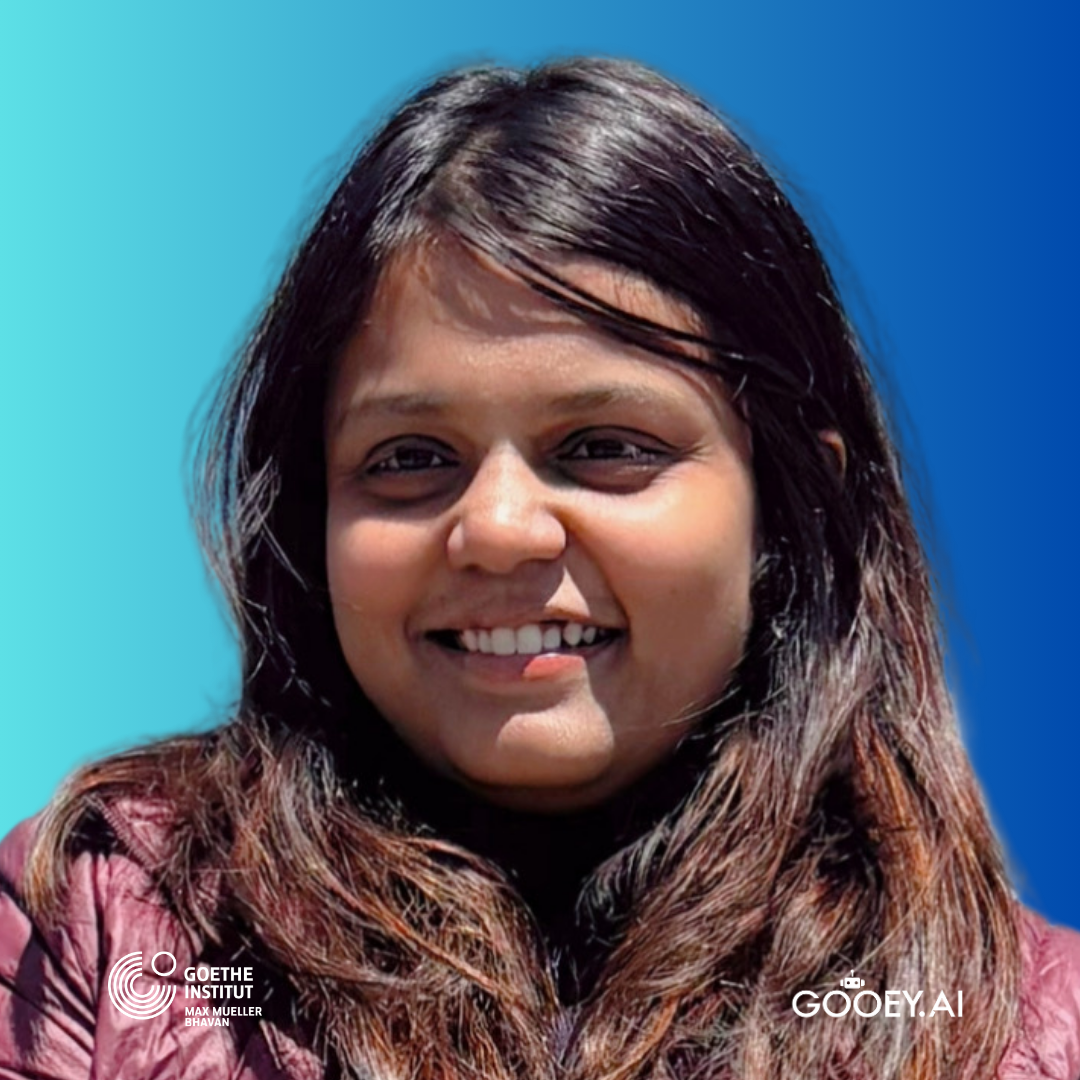
Lorem ipsum dolor sit amet, consectetur adipiscing elit. Suspendisse varius enim in eros elementum tristique. Duis cursus, mi quis viverra ornare, eros dolor interdum nulla, ut commodo diam libero vitae erat. Aenean faucibus nibh et justo cursus id rutrum lorem imperdiet. Nunc ut sem vitae risus tristique posuere.
Leads the studio in new business, strategy and project management. Ayush is a strong advocate for transformative roles for design within public policy, international development, social enterprise and innovation, for which he was also granted the prestigious Yale World Fellowship in 2012. He is also an avid triathlete.
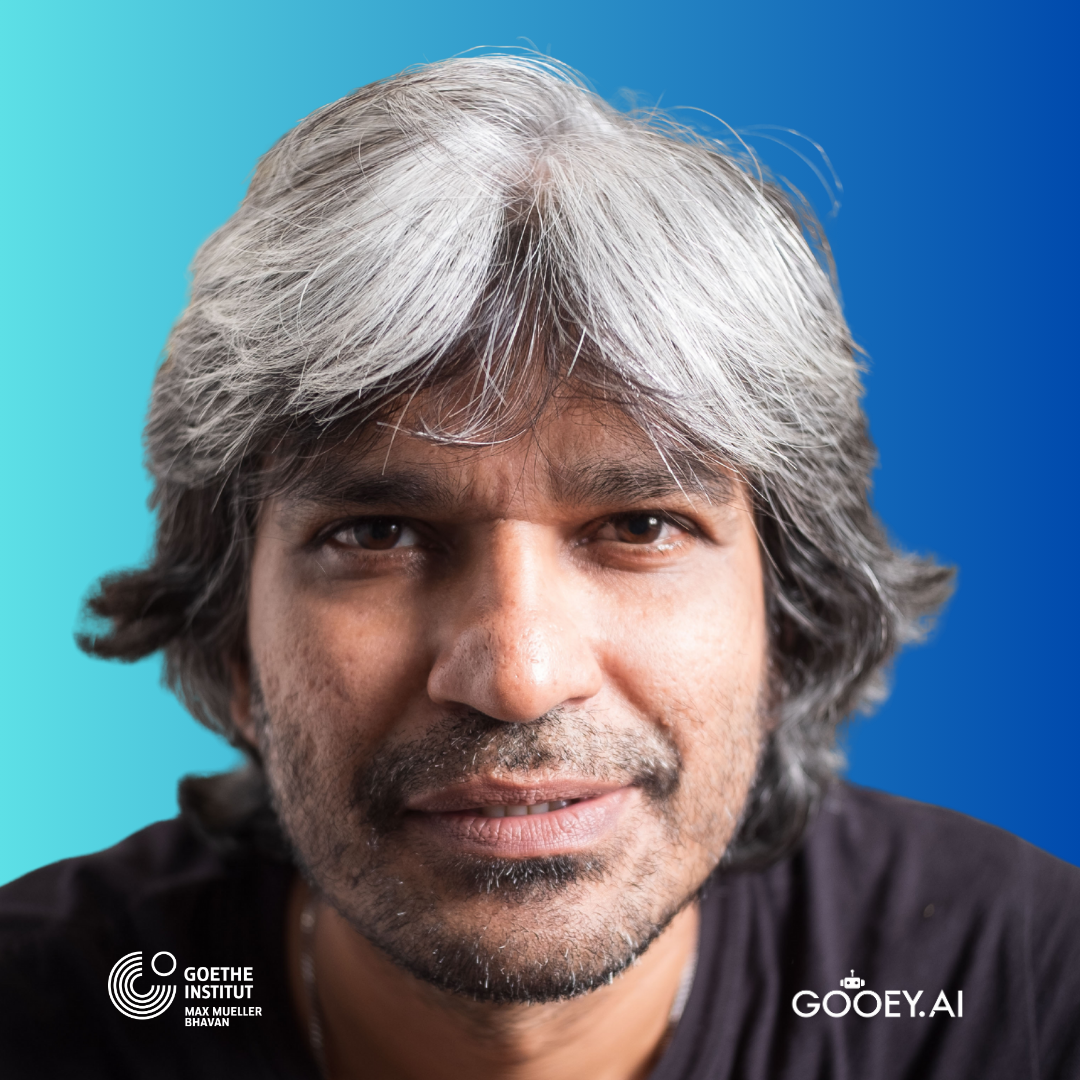
Lorem ipsum dolor sit amet, consectetur adipiscing elit. Suspendisse varius enim in eros elementum tristique. Duis cursus, mi quis viverra ornare, eros dolor interdum nulla, ut commodo diam libero vitae erat. Aenean faucibus nibh et justo cursus id rutrum lorem imperdiet. Nunc ut sem vitae risus tristique posuere.
He makes books, videos, installations and concrete poetry under the moniker Won-Tolla. He runs an independent branding and graphic design studio called Inhouse Design. He believes in art as a social practice where he mentors communities by facilitating workshops involving public participation using words and pictures. On weekends he curates and organises wall murals as Bhitti Chitra.
What should I bring to the workshop?
In addition, please bring a laptop with an internet browser installed. For the best experience, we recommend using Google Chrome.
Do I need prior knowledge of coding or AI tools?
What kind of images are suitable?
Should the images follow a consistent style?
What will happen to my dataset and generated images?
