Sign Manifesto
Thanks for reaching out!
Oops! Something went wrong while submitting the form.


COMMUNITY ENGAGEMENT
17%
Increase in farmers' income
4.1 mil.
Farmers reached (70% women)
35000+
Farmer interactions with the AI agent
Farmer.Chat: Making Vetted Agricultural Knowledge Accessible Through AI
This case study examines how Gooey.AI, in partnership with Digital Green, built an AI assistant to make trusted, vetted agricultural knowledge easily accessible to smallholder farmers. It is intended for agriculture-focused nonprofits, development organizations, governments, foundations, and agri-tech partners seeking scalable, ethical, and inclusive ways to use AI to support smallholder farmers.
COMMUNITY ENGAGEMENT
17%
Increase in farmers' income
4.1 mil.
Farmers reached (70% women)
35000+
Farmer interactions with the AI agent
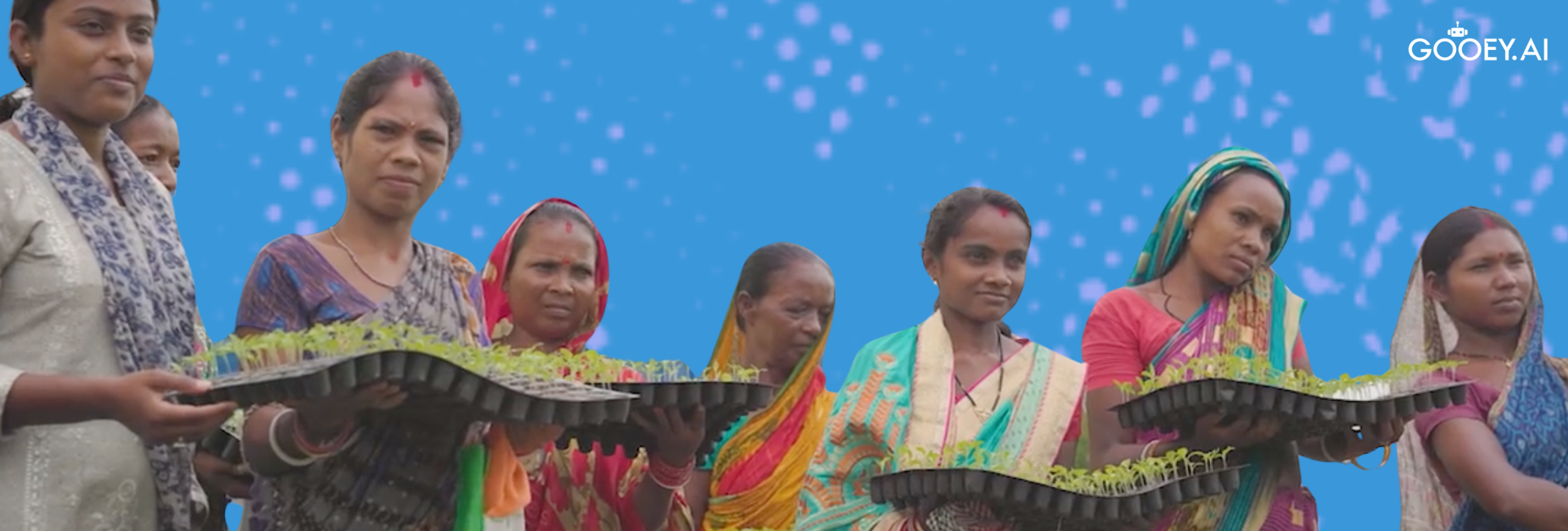
Digital Green has institutionalized farmer-to-farmer videos to enhance public extension with Ministries of Agriculture in Ethiopia, India, and Kenya, enabling 54,000 government extension agents to facilitate screenings and capturing farmer feedback & data, producing 7,000+ location-specific videos in 40 languages. Over its 15-year history working with national governments around the world, Digital Green has facilitated access to trusted agricultural advisory services that have benefited over four million farmers worldwide.
Theory of Change

Why are farmers struggling to access timely, actionable agricultural support?
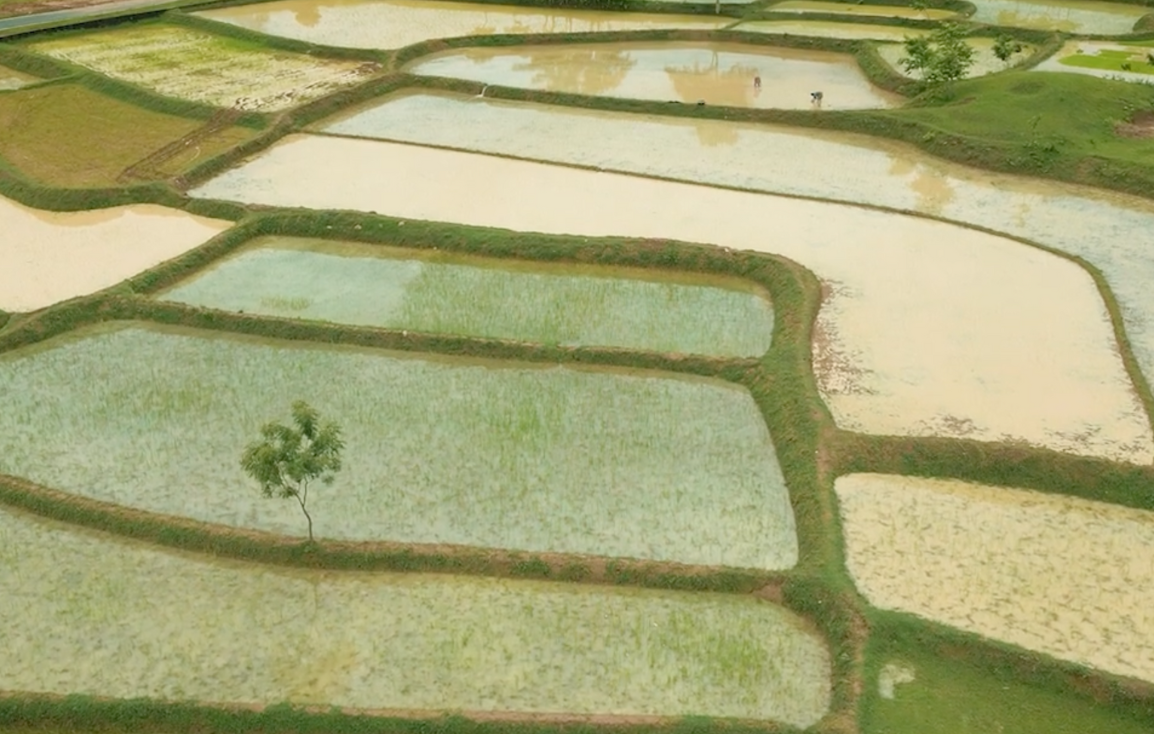
Farmers on the frontlines of climate and water stress
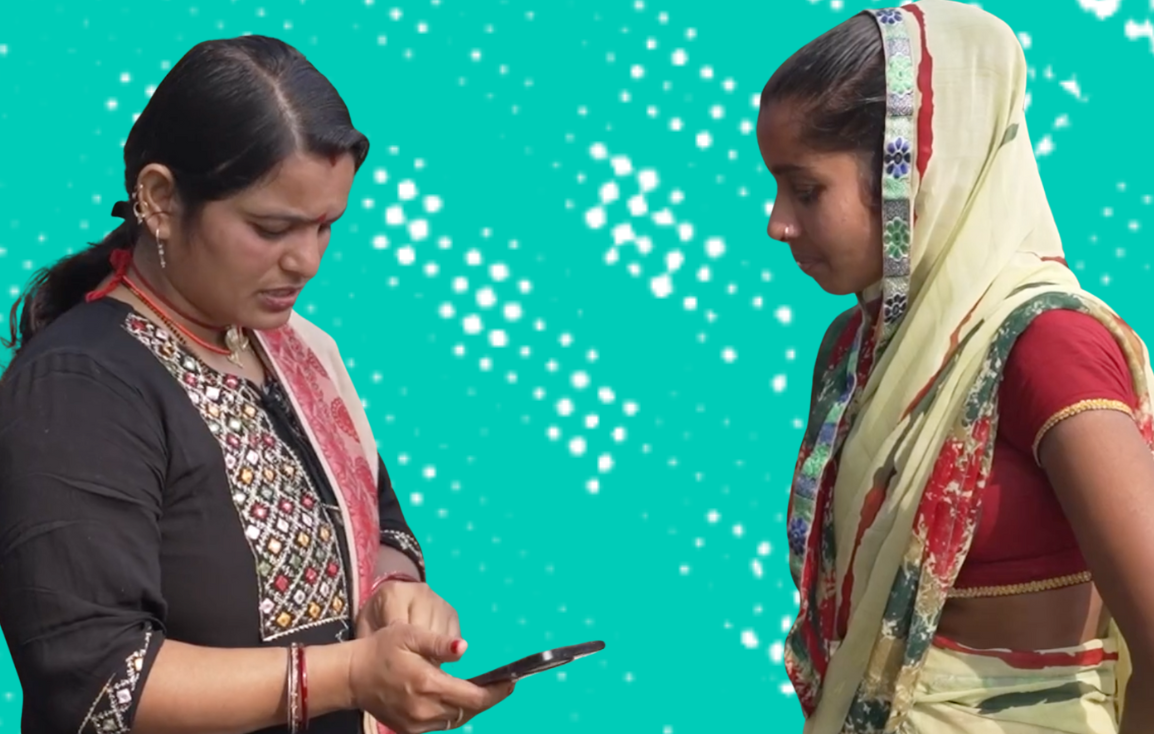
Smallholder farmers in regions such as India and Ethiopia are increasingly exposed to climate change, water scarcity, and unpredictable growing conditions. These challenges demand timely, context-specific decisions around planting, irrigation, pest control, and crop management. Yet farmers often lack access to real-time, actionable guidance needed to adapt quickly, placing livelihoods, food security, and resilience at risk.
Fragmented and inaccessible advisory systems
Although governments and development organizations possess vast amounts of agricultural knowledge, this information is often siloed across formats and institutions. Traditional extension systems struggle to deliver this knowledge at scale, in local languages, and in ways that are usable for farmers with varying literacy levels and limited digital access.
Limited two-way communication
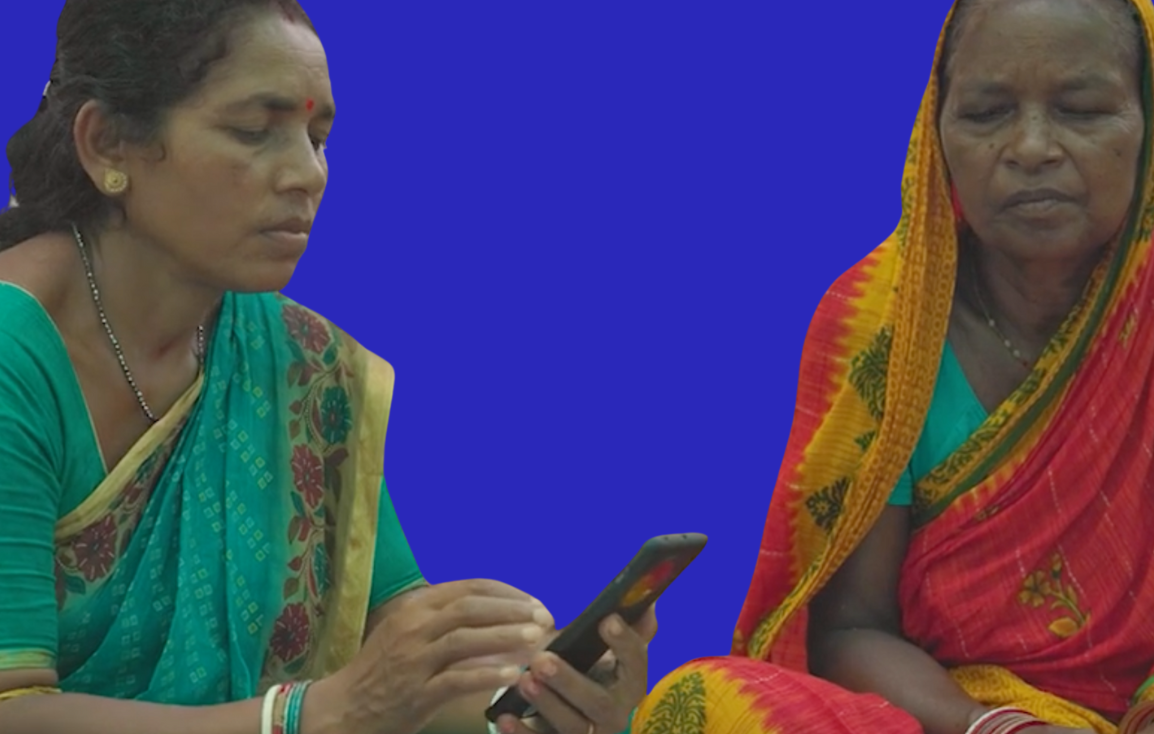
Most agricultural advisory models remain one-directional, offering static guidance rather than enabling continuous dialogue. Governments and extension agents lack efficient mechanisms to hear directly from farmers, understand localized challenges, and respond dynamically.
This gap reduces the effectiveness of public extension services and limits the ability to design evidence-based, climate-resilient interventions grounded in farmers’ lived realities.
This gap reduces the effectiveness of public extension services and limits the ability to design evidence-based, climate-resilient interventions grounded in farmers’ lived realities.

Background and Needs
Scale and reach of public agricultural extensions
Governments and development organizations across the Global South have invested heavily in agricultural extension systems, producing thousands of vetted resources, training manuals, call-center transcripts, and farmer-to-farmer videos in dozens of local languages.
Organizations like Digital Green have demonstrated the power of trusted, peer-based knowledge, reaching millions of farmers through national partnerships with Ministries of Agriculture. The challenge is no longer content creation, but making this knowledge continuously accessible, responsive, and usable at scale.
Organizations like Digital Green have demonstrated the power of trusted, peer-based knowledge, reaching millions of farmers through national partnerships with Ministries of Agriculture. The challenge is no longer content creation, but making this knowledge continuously accessible, responsive, and usable at scale.
The need for trusted AI agents
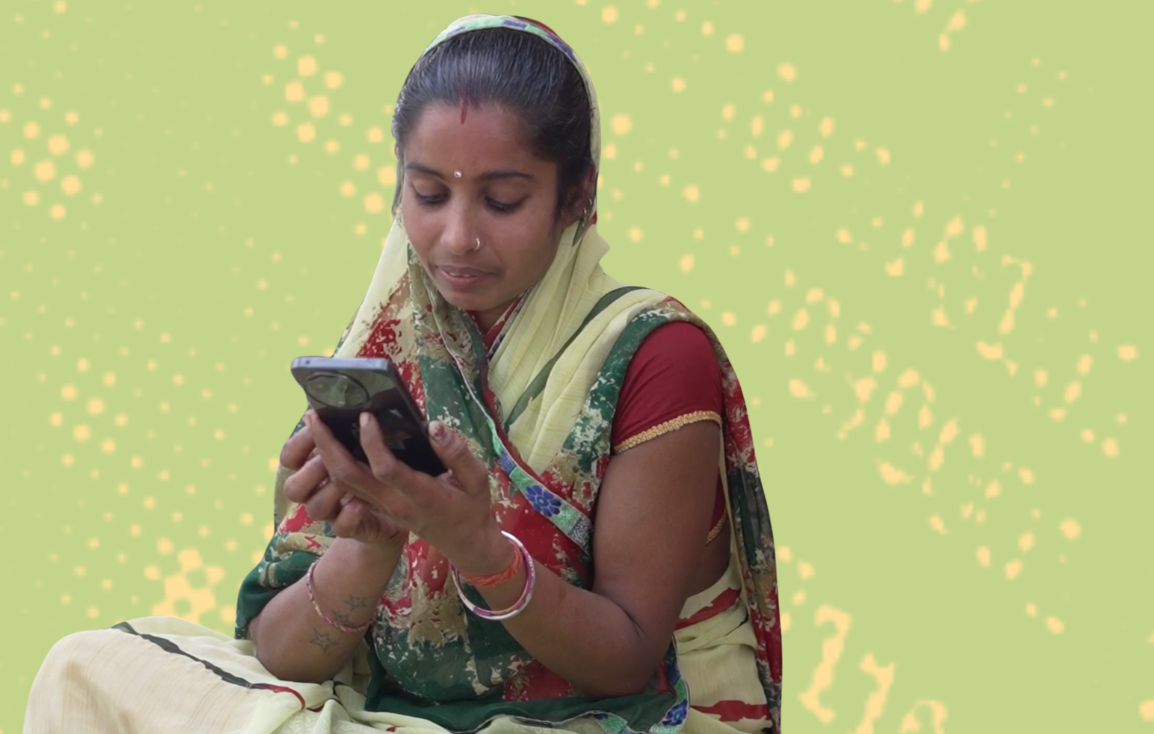
As generative AI becomes increasingly capable, governments and multilaterals face a growing need for platforms that can responsibly integrate AI into public service delivery. Any AI system operating in agriculture must be grounded in vetted data sources, support multilingual and low-literacy users, and be deployable through channels farmers already use, such as WhatsApp and voice.
This creates a clear need for AI infrastructure that combines advanced models with institutional safeguards, public-sector interoperability, and deep contextual understanding of local farming realities.
This creates a clear need for AI infrastructure that combines advanced models with institutional safeguards, public-sector interoperability, and deep contextual understanding of local farming realities.

Interventions & Process
Grounding AI in vetted, local knowledge
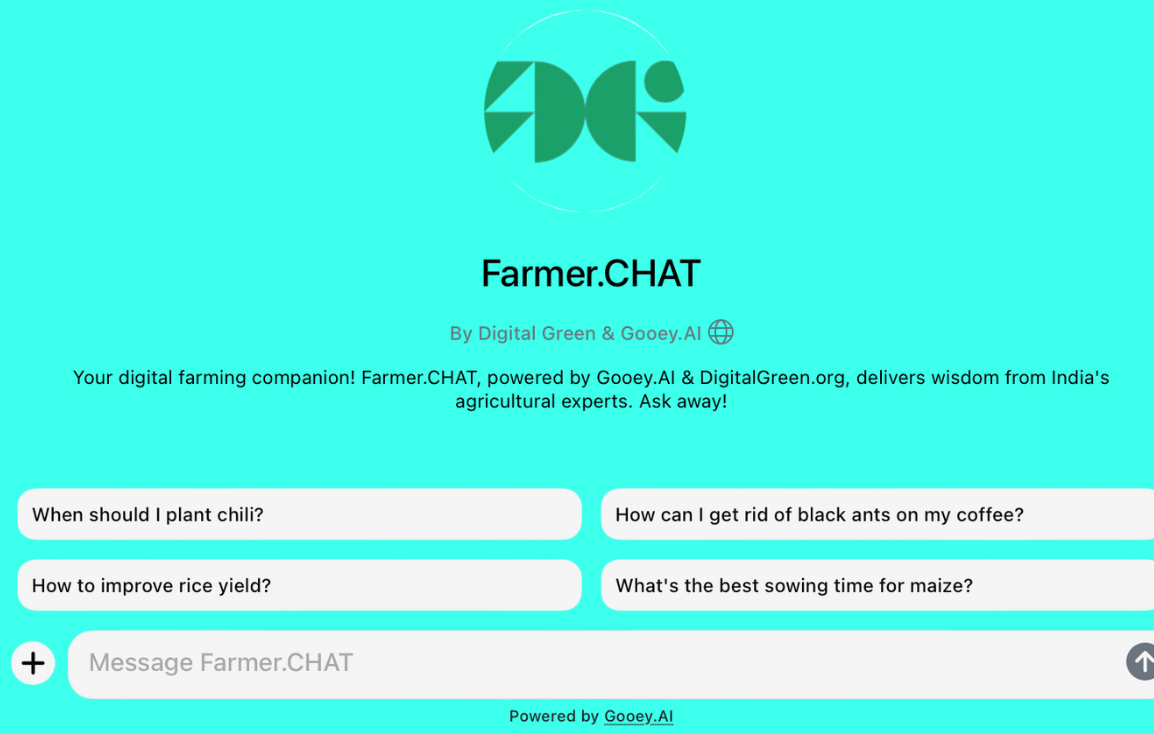
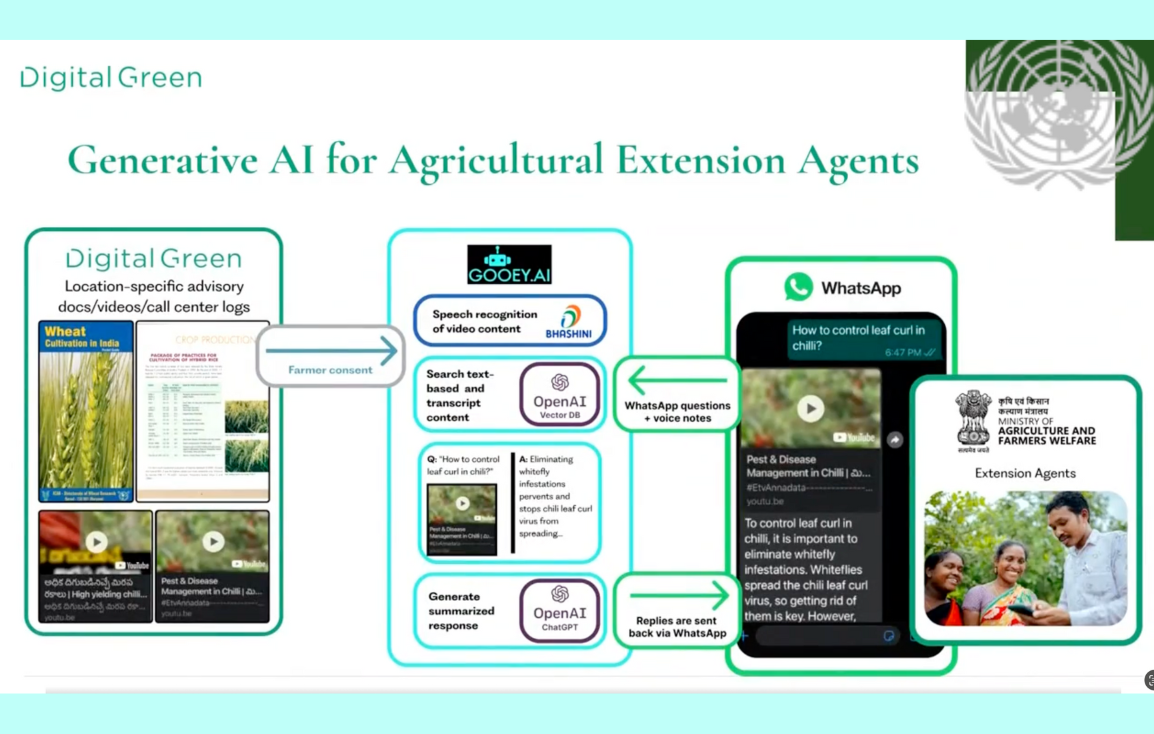
Gooey.AI designed Farmer.CHAT as a GPT-4–based conversational agent trained exclusively on trusted, locally relevant agricultural resources. These included Digital Green’s farmer-to-farmer videos, government extension documents, call-center transcripts, and best-practice manuals.
By anchoring the system in curated knowledge rather than open-ended web data, Gooey ensured that responses remained evidence-based, contextually appropriate, and aligned with public-sector standards for accuracy and trust.
By anchoring the system in curated knowledge rather than open-ended web data, Gooey ensured that responses remained evidence-based, contextually appropriate, and aligned with public-sector standards for accuracy and trust.
Multilingual, multimodal access for low-resource contexts
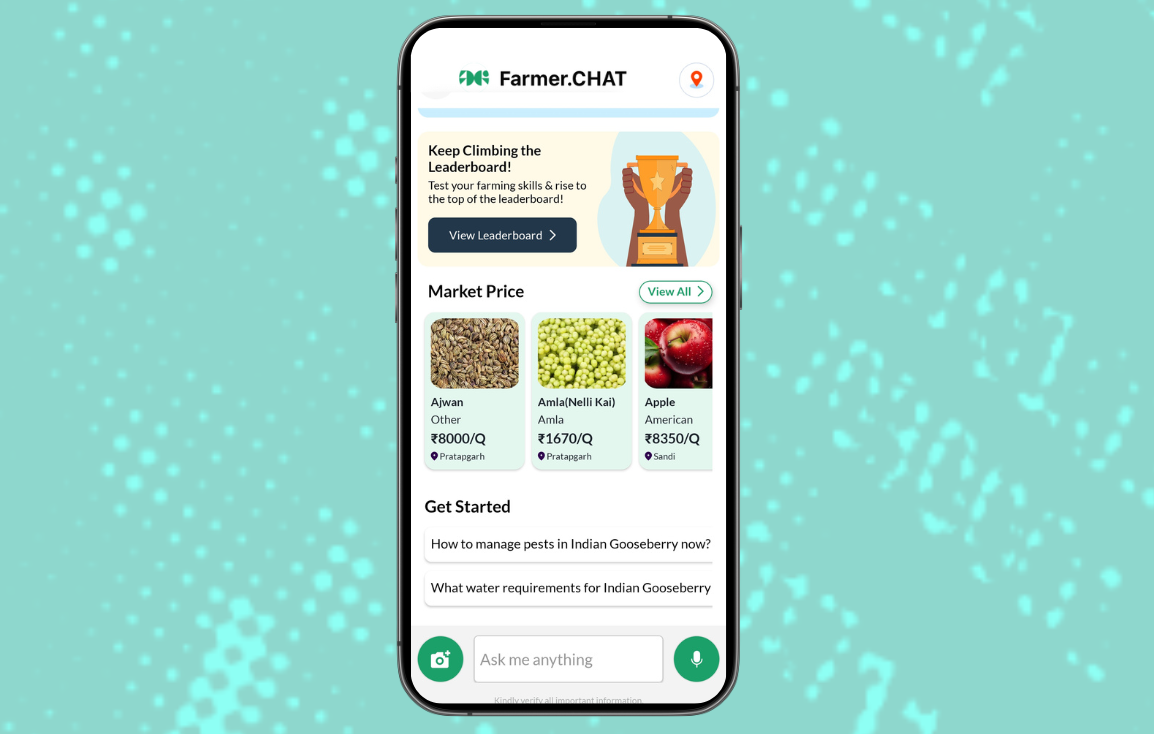
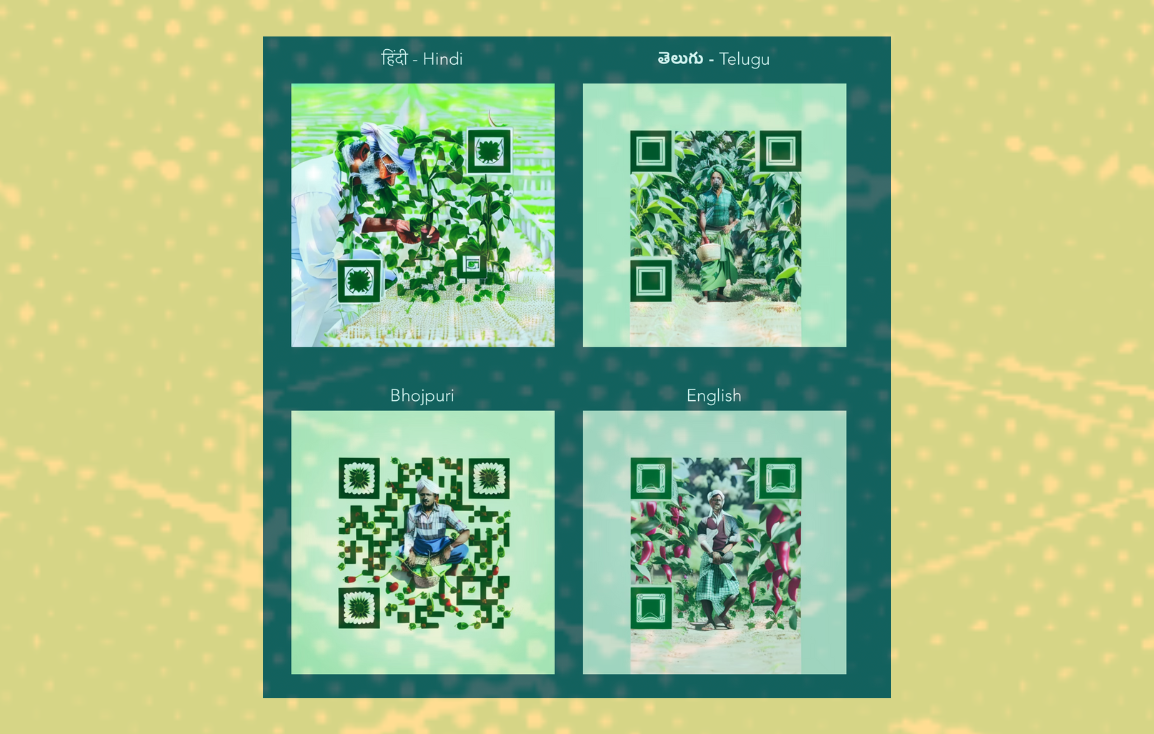
To meet farmers where they are, Gooey integrated multilingual and voice-first capabilities using Bhashini.in and other speech technologies. Farmer.CHAT supports text, audio, and image-based queries, enabling farmers to ask questions in their local languages—including Hindi, Telugu, Bhojpuri, Amharic, Swahili, and English—and even upload photos to diagnose crop issues. Deployment via WhatsApp, Telegram, and web ensured accessibility across smartphone and low-connectivity environments.

Low-cost, updateable infrastructure
Gooey built Farmer.CHAT as a low-cost, scalable platform with a simple backend that allows government extension agents and administrators to update content in real time using familiar tools like Google Docs. This design enabled rapid iteration, continuous knowledge expansion, and direct government ownership of content, thus reducing dependency on technical teams while supporting long-term sustainability and institutional adoption.

Outcomes
Large-scale adoption and farmer engagement
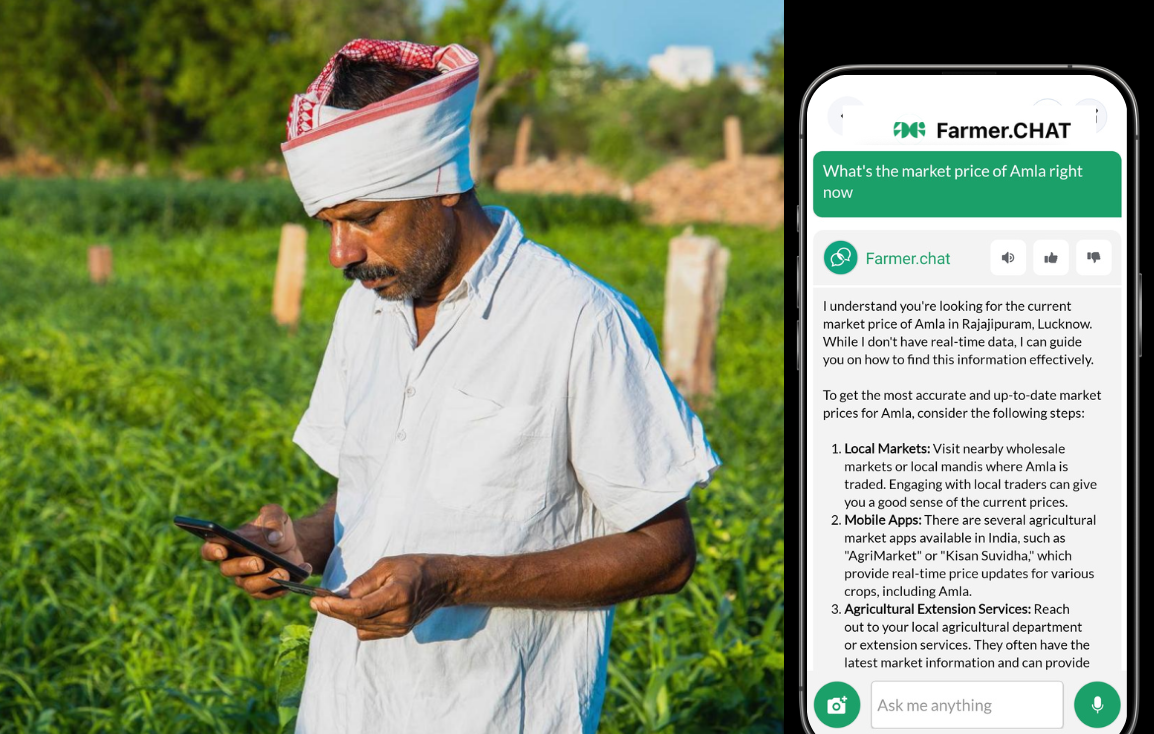
Farmer.CHAT reached over 150,000 users across India, Ethiopia, and Kenya, generating more than 35,000 farmer interactions within its early deployment phase. Farmers used the system to receive real-time, personalized advice on planting, irrigation, pest management, fertilization, and climate-related risks, demonstrating strong demand for AI-enabled, localized agricultural advisory services.
Farmer trust and real behavior change
An independent 60 Decibels study conducted between July–August 2025 with 450 farmers across Kenya confirms Farmer.CHAT’s strong real-world impact: 7 in 10 farmers applied its recommendations within the last 30 days, and 94% reported receiving complete, relevant answers rather than generic advice. 83% of farmers said it increased their confidence in decision-making. 79% shared the advice with others in their community, amplifying its reach beyond direct users.

Global recognition
The success of Farmer.CHAT positioned it as a model for responsible AI in public agricultural extension. The platform was featured at the 2023 UN General Assembly Briefing on “Science-based Evidence in support of Sustainable Solutions”, highlighting its relevance to climate resilience, food security, and water management.

Stakeholders’ feedback
Farmer from Nyeri County, Kenya
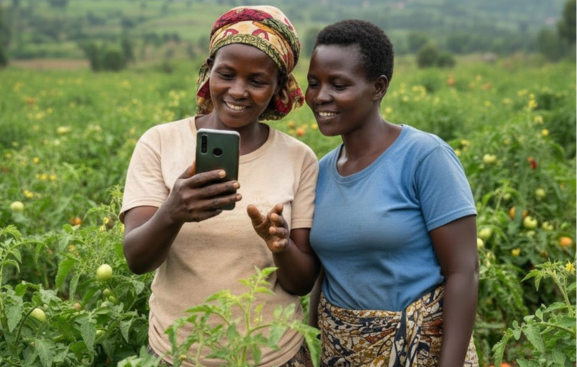
“Farmer.Chat app is faster and reliable because when I am using the chat based option the answers are readily available.”
“Farmer.Chat app is faster and reliable because when I am using the chat based option the answers are readily available.”
Relevant Links

“The best source of information for farmers is other farmers. Leveraging generative AI technology alongside our years of experience in creating accessible agricultural advisory content for millions of small-scale farmers across India, Ethiopia, Kenya—and beyond—has the potential to be life changing for the productivity of not just millions of farmers, but hundreds of millions.”
Rikin Gandhi
CEO of Digital Green
