Sign Manifesto

* Email will not be shown anywhere
Thanks for reaching out!
Oops! Something went wrong while submitting the form.
COMMUNITY ENGAGEMENT

150,000+

Farmer.Chat users

8,000+

DigiFarm users in Kenya

‍

10,000+

Malawi deployments

Building Inclusive Agricultural AI with the Gates Foundation

This case study highlights an AI initiative by Gooey.AI and the Gates Foundation to build speech recognition and agricultural advisory agents for farmers in developing countries. It is intended for funders, governments, and agri-tech organizations seeking to deploy inclusive, scalable AI systems in low-resource contexts.
COMMUNITY ENGAGEMENT
150,000+
Farmer.Chat users
8,000+
DigiFarm users in Kenya

‍
10,000+
Malawi deployments

The Gates Foundation works to save and transform lives by tackling the world’s toughest challenges, from global health and education to equity and opportunity. Since 2000, the foundation has committed over $53.8 billion, partnering with governments and organizations while rigorously measuring what works to maximize impact. Its data-driven approach has contributed to measurable progress, including a 50% reduction in global under-five child mortality since 2000.

Theory of Change

The need for AI systems built for farmers’ real-world conditions
Need for a fast, technically capable evaluation partner
The Gates Foundation needed a fast, technically competent, multi-platform provider to evaluate which language models actually understand users in low- and middle-income developing countries. Existing benchmarks and evaluations often focus on high-resource languages and well-connected users, leaving a critical gap in understanding how these systems perform for underserved populations.

The Foundation required a partner that could rapidly test, compare, and validate multiple models across platforms, while grounding the evaluation in real-world user contexts rather than abstract performance metrics.

Technical complexity and human-centered constraints
Datasets need to be carefully organized and made compatible with other AI systems, while keeping in mind how these tools will be used by end beneficiaries. This presents a complex technical challenge as many of these users lack internet access, money, education, or reliable devices.

As a result, traditional data pipelines and testing environments are insufficient. Any evaluation framework needed to balance technical rigor with deep contextual awareness, reflecting the lived realities, limitations, and needs of low-income users.
Understanding underserved voices at scale
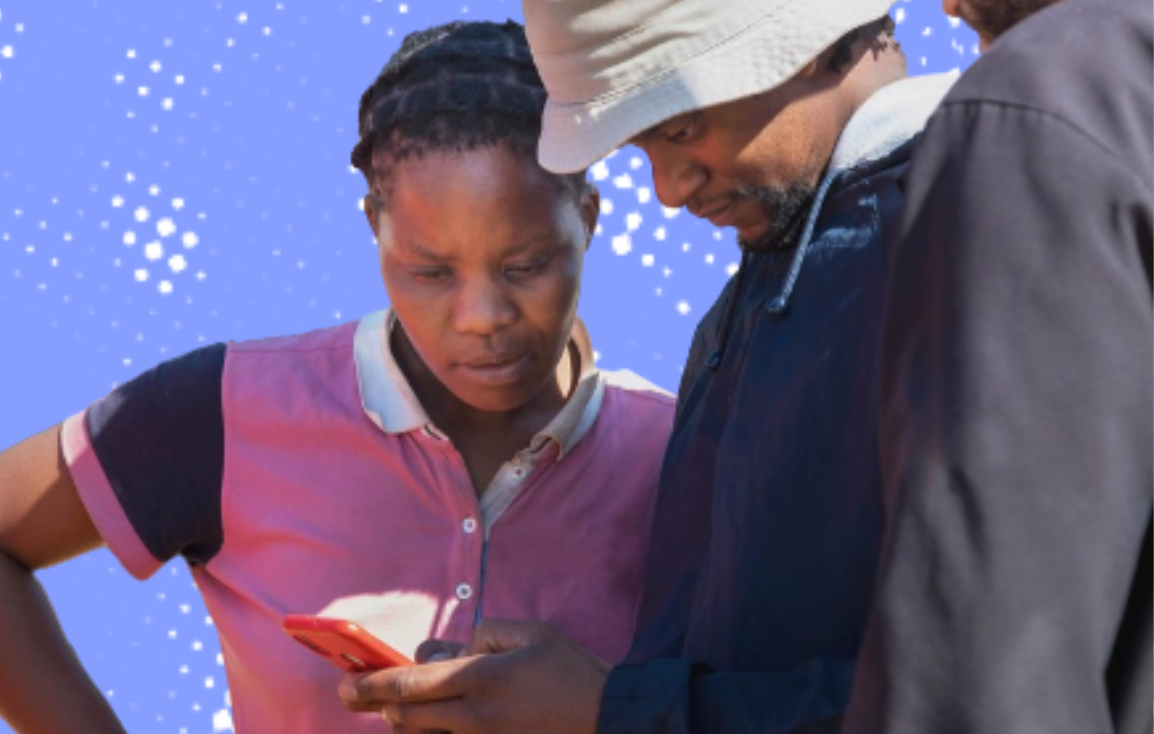
The problem, therefore, was to determine how to build and fine-tune speech recognition and AI systems that can accurately understand audio from farmers and low-income users in some of the underserved regions in the world. This includes accounting for diverse accents, dialects, and non-standard speech patterns, often captured on low-quality devices.

The challenge extended beyond accuracy alone, requiring insights into real-world settings such as agriculture and livelihoods.
Background and Needs
Why existing models did not work for farmers
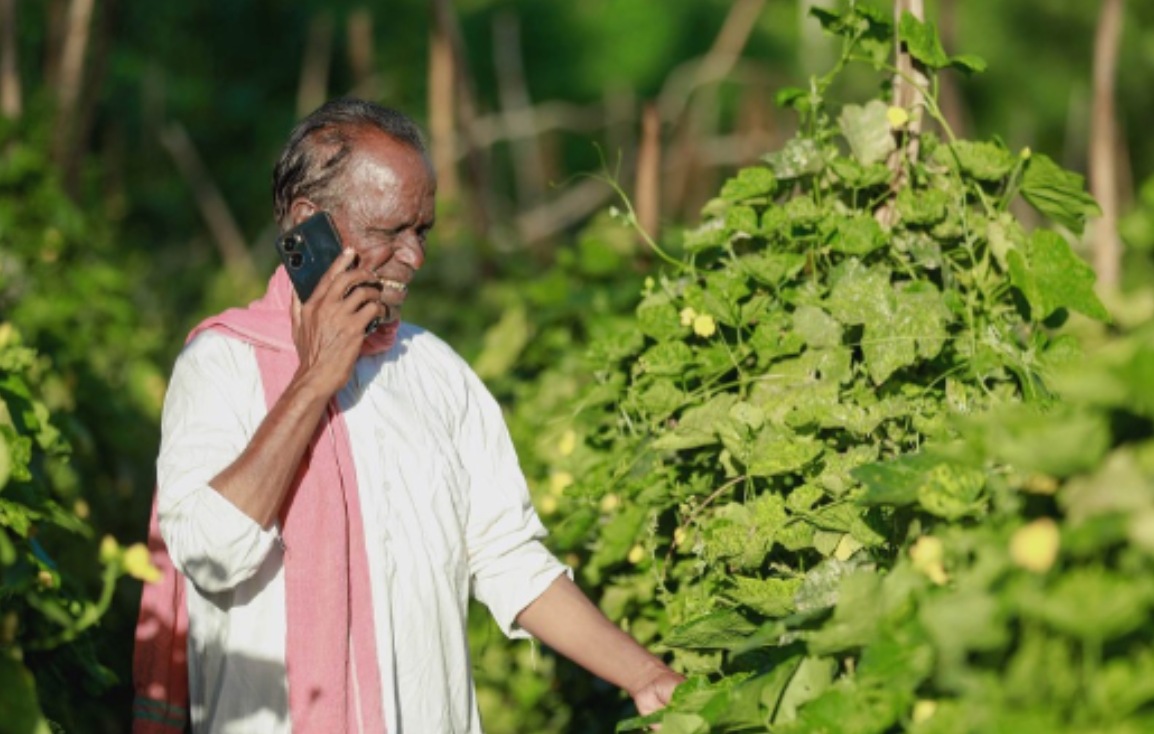
Before Gooey’s intervention, there were fundamental challenges in making effective speech recognition models that are fine-tuned to understand audio from farmers in disadvantaged areas. Datasets weren’t organized or compatible with other AI systems, limiting reuse and cross-model evaluation.

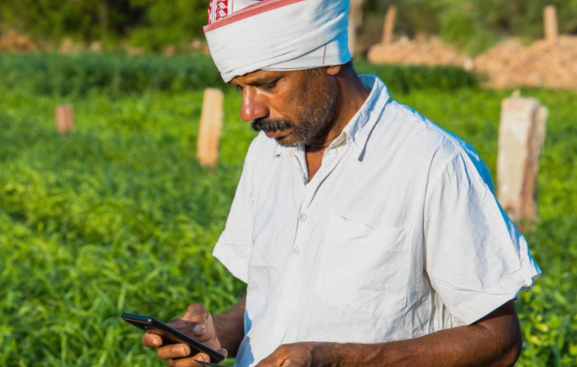
Speech models couldn’t accurately understand Kinyarwanda or Swahili speakers, especially when audio was recorded in real-world, low-resource conditions. End users such as low- and middle-income farmers often lacked internet access, money, education, or reliable devices, making usability and accessibility a major barrier to adoption.
Gaps in infrastructure and evaluation
The reality was that the ecosystem lacked an AI pipeline, dataset pipeline, iteration pipeline, and evaluation pipeline to show whether what was being built was actually effective. There was a clear need for end-to-end infrastructure that could support data preparation, model testing, continuous iteration, and rigorous evaluation across languages and regions.

For farmers, this meant that agricultural advisory tools often failed to provide accurate, timely, or context-specific guidance.
Interventions & Process
Model evaluation, deployment, and field testing
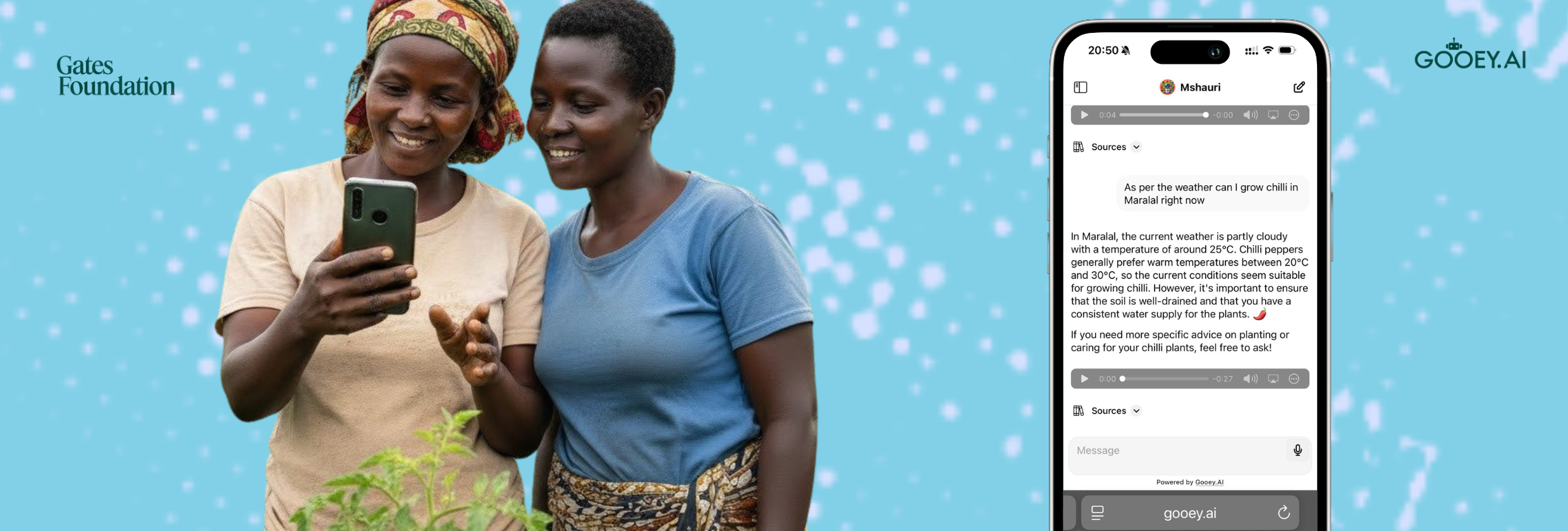
Gooey provided its workspace and a set of public and open workflows that leverage top models from African AI makers, big tech companies, and public research groups. Specifically, Gooey hosted and evaluated multiple models, worked with Gates to prepare appropriate datasets and evaluations, made all results public for anyone to fork and reuse, and deployed and tested models for key languages such as Kinyarwanda, Swahili, and Kikuyu—focusing on user questions relevant to health, agriculture, and low-income contexts.

Open infrastructure and capacity building for impact
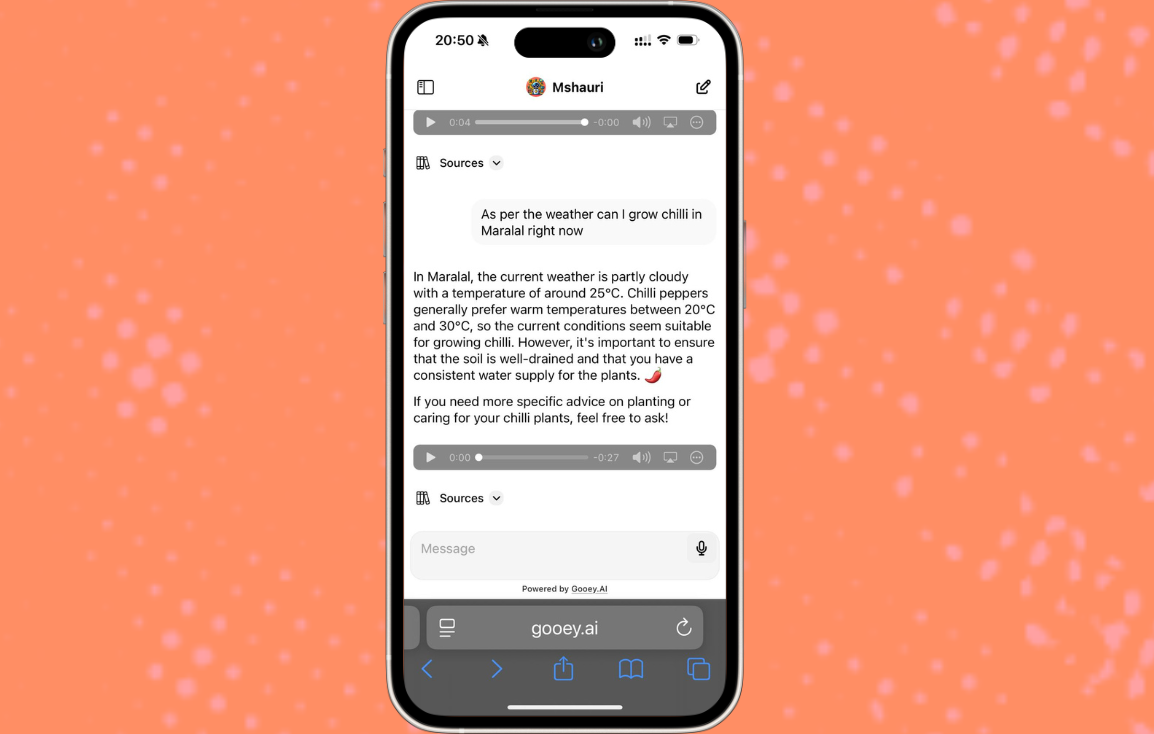
Gooey turned these evaluations into deployed bots that work on WhatsApp, assessing them both empirically and from a usability perspective in the field. The team provided fast and agile systems, embracing the challenge of designing architectural systems that work at scale for the wider ecosystem.

At the same time, Gooey offered guidance to the Gates Foundation, helping them identify where to invest to maximize impact.
From global visibility to ecosystem investment
Farmer.CHAT, built by Gooey.AI and Digital Green, was presented at the 2023 UN Science Advisory Panel. This presentation sparked a significant wave of investments in building AI bots for agricultural advisory. Gooey has been the technical partner driving this work for the last three years, bringing the ability to run the best of private and public AI and evaluate them in their specific use-case contexts.

Through this role, Gooey demonstrated the feasibility and impact of deploying AI systems that can meaningfully serve farmers in low-resource contexts, helping shift global attention and funding toward practical agricultural AI solutions.
Outcomes
Scale and reach of AI advisory deployments
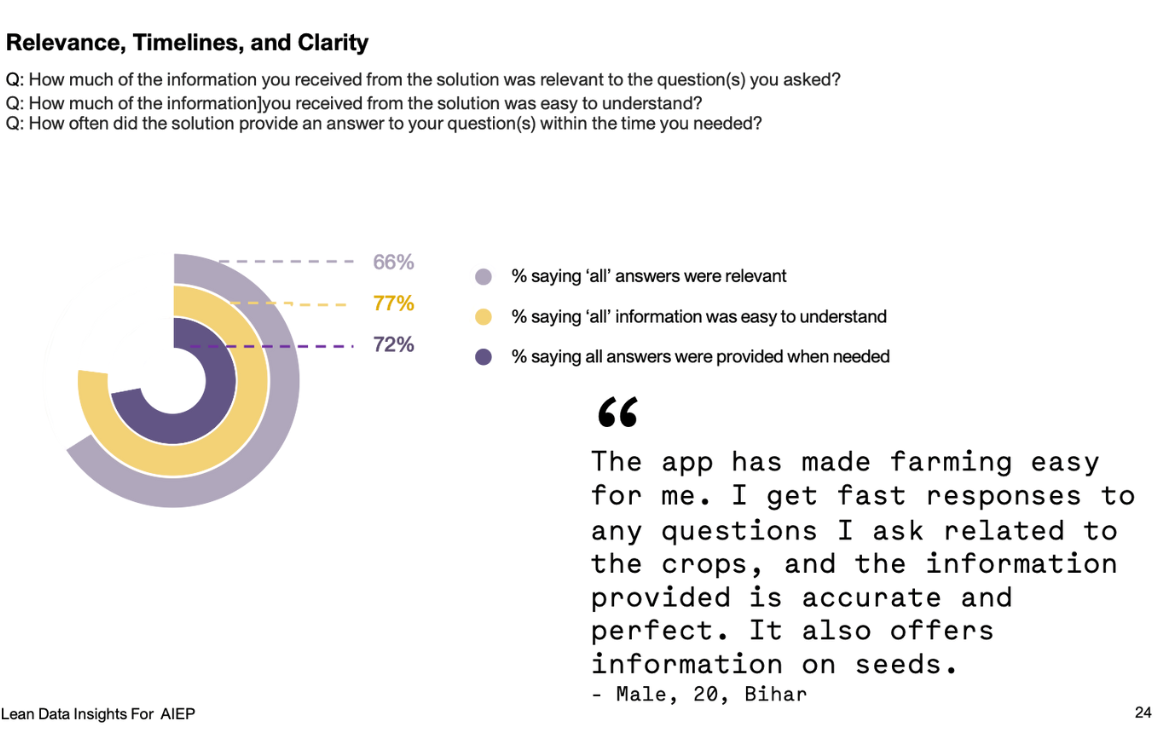
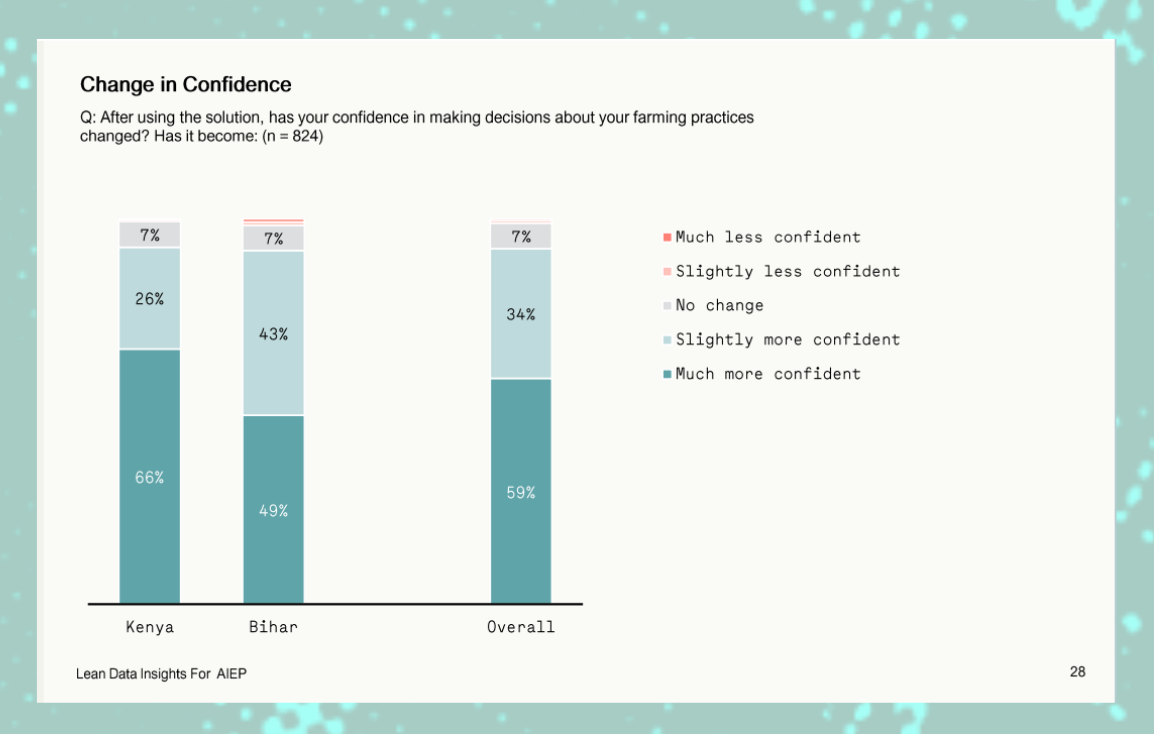
Following the implementation of Gooey’s solution, AI-powered agricultural advisory services achieved significant scale across multiple regions. Farmer.Chat reached over 150,000 users, DigiFarm in Kenya served 8,000+ users, and deployments in Malawi reached 10,000+ users. In total, this represents a combined reach of 168,000+ users across multiple AI agents.

These deployments demonstrate Gooey’s ability to move from model evaluation to real-world adoption at scale, reaching farmers and low-income users across diverse geographies.
Ecosystem enablement and systemic impact
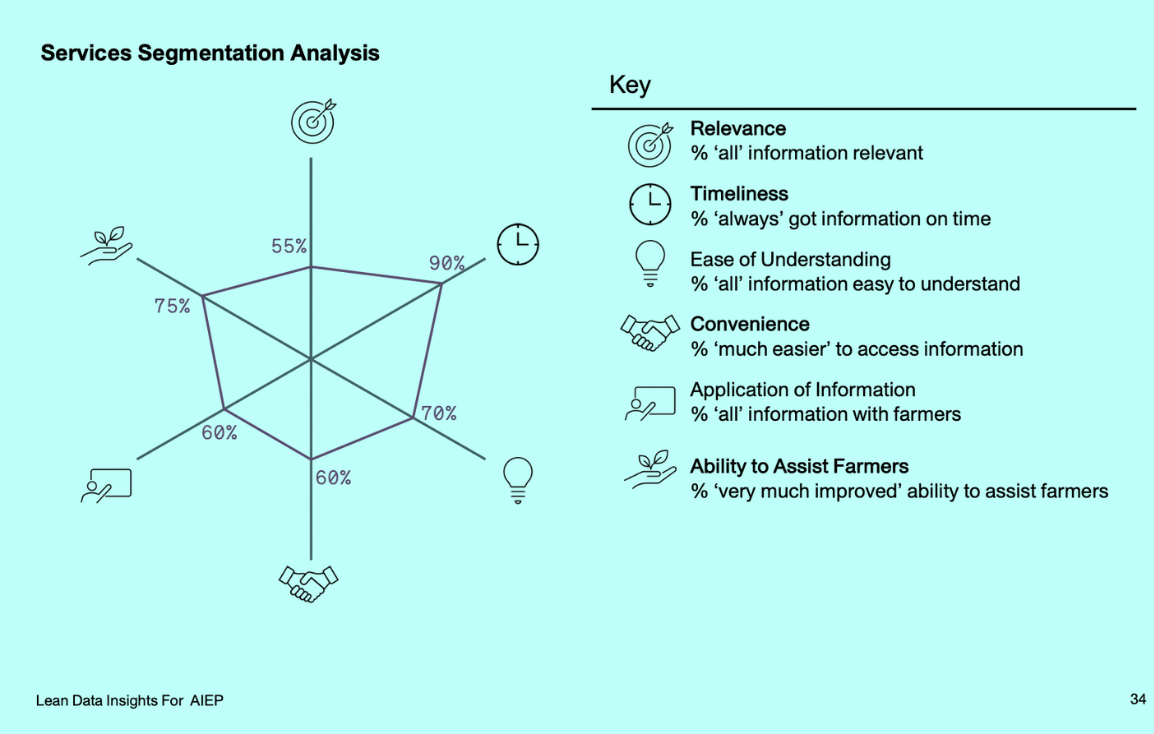
Beyond direct deployments, Gooey’s intervention enabled broader ecosystem growth. Organizations such as Safaricom and DigiFarm were able to build and expand agricultural AI services across Ghana, Malawi, and Kenya, each serving tens of thousands of people. Direct impact included the ability for organizations to deploy AI bots on WhatsApp and feature phones, evaluated both empirically and from a usability perspective in the field.

Indirect impact was achieved by influencing strategic decision-making, helping partners make better investment choices, and demonstrating how AI systems can be designed and deployed for the greater good of people in low-resource contexts.
Relevant Links
Agriculture Eval WorkflowArxiv Paper on The AIEP InitiativeReport on MshauriFarmer.Chat Case StudyRead What Farmers in Bihar and Kenya Have to Say
AI in Agriculture Recommendations for Global Impact Orgs

Watch our founder Sean Blagsvedt share insights from the AI Agriculture Landscape, covering architectures, evaluations, and investment recommendations for global impact organizations. He outlines how AI can be scaled responsibly to meaningfully serve smallholder farmers worldwide and help them thrive.